
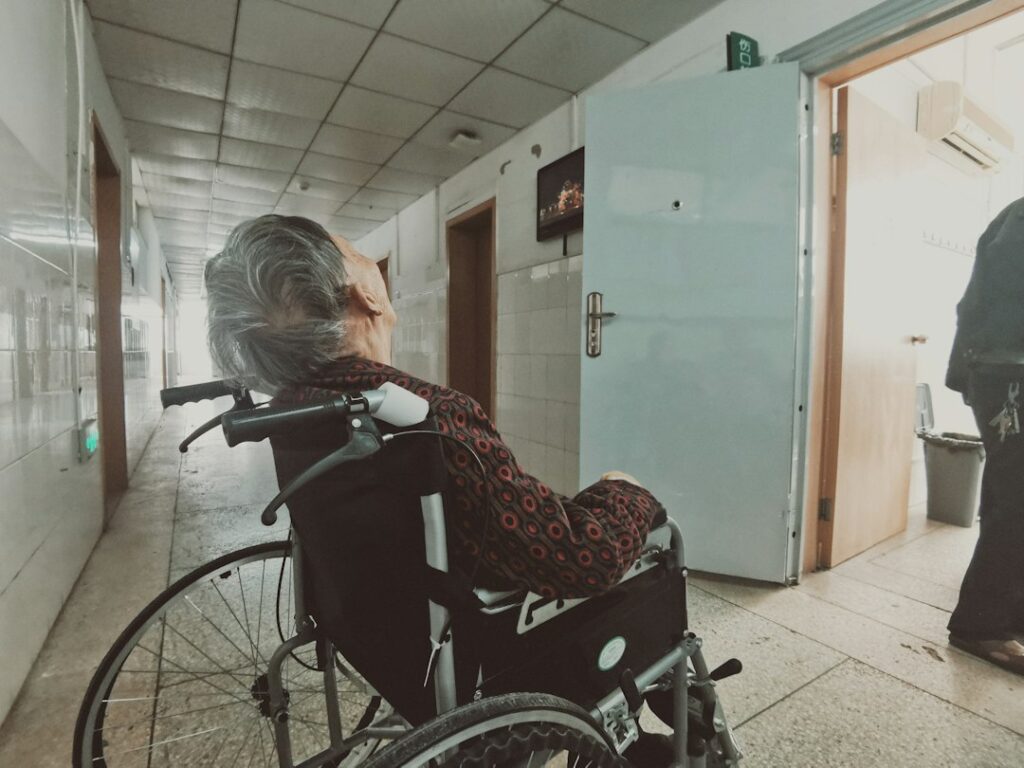
Assisted living safety involves more than handrails and emergency buttons. A well-designed residence combines building features, trained staff, emergency planning, health safeguards, and daily routines that help residents remain as independent as possible while reducing preventable risks.
In Pennsylvania, assisted living residences are licensed and inspected by the Department of Human Services. State requirements address fire safety, staff training, resident care, sanitation, emergency preparedness, and the physical condition of the residence. Families evaluating a community should understand both the required protections and the practical details that affect daily life.
What building features help prevent falls and injuries?
The most useful safety features are often the least noticeable. Flooring should be even, dry, and free of loose rugs or raised thresholds. Hallways and common areas should have bright, consistent lighting without deep shadows or glare.
Look for:
- Handrails on stairs and in long corridors
- Grab bars near toilets and bathing areas
- Nonslip flooring in bathrooms and other wet areas
- Adequate space for walkers and wheelchairs
- Doors that are easy to open without excessive force
- Clearly marked changes in floor level
- Seating areas where a resident can rest while walking
- Bedside lighting that can be reached without getting out of bed
Bathrooms deserve particular attention because they combine hard surfaces, water, and transfers between sitting and standing. Ask whether showers are roll-in or step-free, whether shower seats are available, and how staff assist with bathing without compromising privacy.
In older buildings, it is also worth checking whether renovations have created narrow passageways, awkward turns, or differences in floor height. A community may look attractive while still presenting practical mobility challenges.
How do assisted living residences protect residents during a fire or evacuation?
Fire safety depends on both equipment and staff response. Pennsylvania requirements address unobstructed exits, accessible evacuation routes, emergency procedures, fire extinguishers, alarm systems, and evacuation diagrams in applicable residences.
During a visit, families can observe whether:
- Hallways and exit routes are free of furniture and stored items
- Exit doors can be opened from the inside without a key
- Fire doors close properly and are not propped open
- Evacuation maps are visible
- Alarms and pull stations are clearly marked
- Residents with mobility needs have a realistic evacuation plan
- Staff can explain where residents gather during an emergency
A common misconception is that every resident must be able to walk out independently. Emergency planning should account for residents who use walkers, wheelchairs, oxygen equipment, or other mobility aids. Ask how staff prioritize residents, how assistance is assigned, and how the residence accounts for everyone after evacuation.
What emergency plans should a community have?
A written emergency plan should cover more than fire. Assisted living residences may need to respond to severe storms, winter weather, extended power outages, flooding, utility interruptions, infectious disease outbreaks, and other local hazards.
A useful plan identifies:
- Emergency contacts for each resident
- Medical information that responders may need
- Transportation if relocation becomes necessary
- Staff responsibilities during evacuation
- Temporary shelter or relocation arrangements
- Backup plans for food, medications, water, communication, and electricity
- Procedures for accounting for residents, visitors, and staff
Seasonal conditions matter in Bath. Snow, ice, freezing temperatures, and power disruptions can affect entrances, walkways, heating, transportation, and medication access. Ask how exterior paths are monitored during winter weather and how the residence manages a prolonged utility outage.
Families should also ask how often emergency drills occur and whether drills include residents with cognitive, hearing, vision, or mobility limitations. A plan that exists on paper may not work well unless staff practice it.
Are emergency call systems available in resident rooms?
Many assisted living residences use emergency call systems in bedrooms, bathrooms, and common areas. These may include pull cords, wall-mounted buttons, wearable pendants, or other alert devices.
The important questions are practical:
- Where are the devices located?
- Can a resident reach one from the floor?
- What happens after an alert is activated?
- How are calls documented?
- Is there a backup if the system loses power?
- Can residents receive help outside their apartments?
- Are devices tested regularly?
A call button is not a substitute for adequate staffing. Families should ask how alerts are monitored, how staff respond overnight, and what happens if several residents need assistance at the same time.
How are medications and health-related tasks managed safely?
Medication errors can occur when prescriptions change, instructions are unclear, or several providers are involved. Safer systems include secure medication storage, accurate administration records, clear communication about changes, and procedures for missed or refused doses.
Ask how the residence handles:

- New prescriptions and dose changes
- Medication reconciliation after a hospital stay
- Allergies and adverse reactions
- Insulin or other time-sensitive medications
- Over-the-counter products
- Medication disposal
- Communication with a resident’s designated person
A resident’s assessment and support plan should reflect current needs, including assistance with bathing, dressing, walking, eating, or other daily activities. Families should ask how often needs are reassessed and what happens if a resident’s abilities change.
What safeguards address wandering, confusion, or cognitive impairment?
Residents with dementia or other cognitive changes may need additional protection without unnecessary restrictions. Safety measures can include secured areas, monitored exits, visual cues, familiar layouts, nighttime checks, and individualized routines.
The right approach should be based on the resident’s needs rather than applied identically to everyone. Ask whether residents can move about freely in safe areas, how staff respond when someone becomes disoriented, and how the residence balances security with dignity and privacy.
Restrictive devices should not be treated as a routine solution. Families should understand the residence’s policies on supervision, alarms, locked areas, and behavior-related emergencies before moving a relative into care.
How does staffing affect resident safety?
Staffing influences nearly every safety feature. A residence may have excellent equipment, but residents still need prompt assistance with transfers, toileting, meals, medication routines, and emergencies.
Ask:
- Who is present during overnight hours?
- How are staffing levels adjusted when many residents need help?
- What training do staff receive in falls, evacuation, infection prevention, and abuse reporting?
- How are temporary or newly hired staff oriented?
- Who is responsible for a resident during a medical emergency?
- How does the residence communicate incidents to families?
Pennsylvania resident protections include freedom from abuse, neglect, exploitation, involuntary seclusion, and inappropriate restraint. Residents also have rights involving privacy, communication, records, complaints, and access to designated advocates.
What should families inspect during a tour?
A tour should include ordinary daily spaces, not only the lobby. Notice whether floors are clean and dry, whether odors suggest sanitation problems, whether residents appear able to summon help, and whether staff know residents by name.
Pay attention to small details:
- Are outdoor walkways level and maintained?
- Are dining tables arranged so walkers can pass safely?
- Are power cords secured?
- Are cleaning supplies and medications locked away?
- Are bathrooms equipped for residents with limited balance?
- Do residents appear rushed when moving through common areas?
- Can staff explain the emergency plan in plain language?
The strongest safety program is visible in routine conditions: clear walkways, respectful assistance, reliable communication, and staff who recognize changes in a resident’s condition before a minor concern becomes an emergency.
