
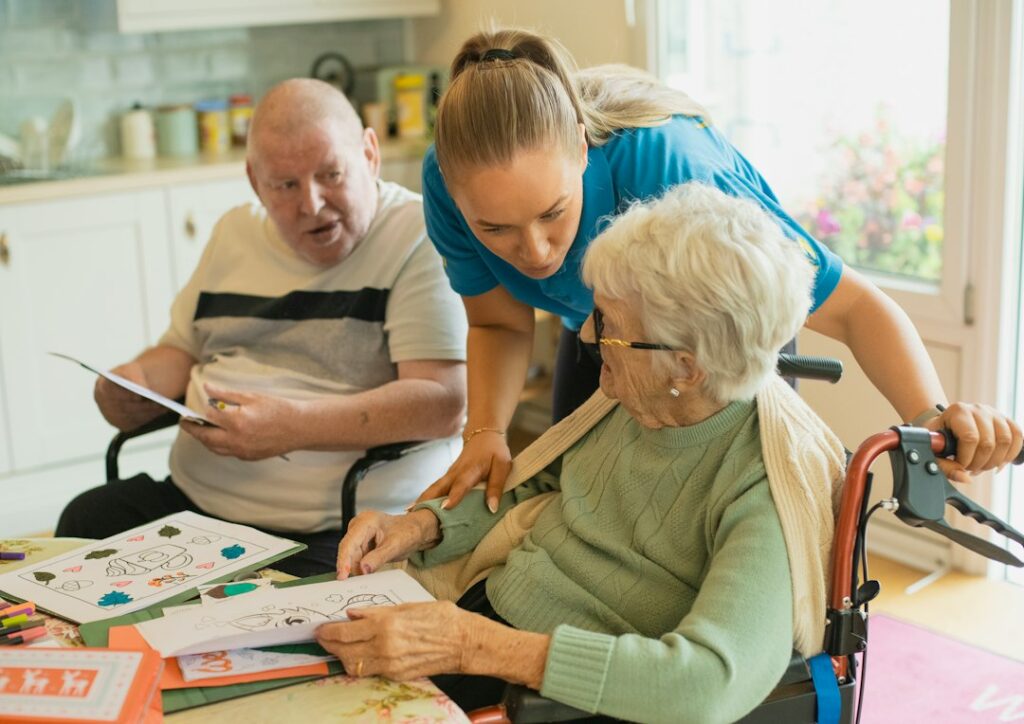
Assisted living amenities should make daily routines safer, more comfortable, and more meaningful. For residents in Bath, PA, the right features may include accessible housing, dependable meals, transportation, outdoor areas, social opportunities, and practical support during changing seasons.
The most valuable amenities are not always the most impressive-looking. A well-designed community should offer features that match a resident’s mobility, health needs, interests, routines, and desired level of independence.
Which amenities matter most in assisted living?
The most important amenities are those that support everyday comfort and safety rather than simply adding entertainment value. Residents and families should look for accessible living spaces, reliable personal assistance, nutritious dining, emergency support, housekeeping, transportation, and opportunities for social connection.
A useful starting point is to separate amenities into four categories:
- Daily living support: Help with bathing, dressing, medication reminders, meals, laundry, and housekeeping
- Health and safety features: Emergency response systems, accessible bathrooms, secure entrances, good lighting, and clear walkways
- Comfort and convenience: Dining areas, lounges, outdoor spaces, salons, libraries, and transportation
- Quality of life: Exercise programs, creative activities, spiritual services, educational programs, and visits from family members
A feature is only useful if it is available when needed, easy to access, and suitable for the resident’s abilities.
What safety features should assisted living include?
Safety features should reduce fall risks, support quick responses to emergencies, and allow residents to move through the community with confidence.
Look for:
- Grab bars and non-slip surfaces in bathrooms
- Step-free entrances and elevators where needed
- Wide hallways that accommodate walkers and wheelchairs
- Handrails on both sides of stairs
- Emergency call systems in bedrooms and bathrooms
- Adequate lighting indoors and outdoors
- Clearly marked exits and evacuation procedures
- Secure areas for residents who may wander or become disoriented
- Smoke detection, fire response systems, and regular emergency drills
Bathrooms deserve particular attention. A private bathroom may look attractive, but its layout matters more than its appearance. Check whether the shower has a low or no threshold, whether a wheelchair or walker can fit comfortably, and whether assistance can be provided without blocking the doorway.
Bath’s seasonal conditions also make exterior safety relevant. Snow, ice, wet leaves, and early winter darkness can make walkways hazardous. Covered entrances, well-maintained sidewalks, handrails, and transportation options may be especially helpful during colder months.
How important are dining services?
Dining is both a health service and a social amenity. Meals should be nutritious, appealing, and flexible enough to accommodate medical diets, food allergies, chewing difficulties, and personal preferences.
Ask how the dining program handles:
- Low-sodium, diabetic-friendly, soft, or pureed meals
- Snacks between meals
- Hydration throughout the day
- Changing appetites or weight loss
- Dining schedules for residents who wake early or eat later
- Private meals for visitors or special occasions
- Assistance for residents who need help cutting food or opening containers
The dining room should also be comfortable and easy to navigate. Excessive noise, glare, crowded tables, or long waits may make meals difficult for someone with hearing loss, vision changes, dementia, or fatigue.
A good dining program does not require every resident to eat the same way. It should provide structure while allowing reasonable choice.
What apartment features support independence?
An apartment should be easy to use without creating unnecessary physical or mental demands. Important features may include:
- Space for a walker, wheelchair, or personal furniture
- Easy-to-reach light switches and thermostats
- Lever-style door handles
- Good natural and overhead lighting
- Emergency communication equipment
- Ample closet and storage space
- Accessible kitchen or kitchenette features, if provided
- Windows that offer daylight and views without creating fall risks
Families often focus on square footage, but layout can matter more. A smaller apartment with an open floor plan may be easier to navigate than a larger space with narrow passages or sharp turns.
Residents should also ask whether they may bring familiar furniture, photographs, lamps, or other belongings. Personal items can make a new setting feel more recognizable and support emotional comfort.
Does transportation count as an important amenity?
Yes. Transportation can affect medical care, family visits, shopping, religious activities, and participation in community life.
Ask about:
- Scheduled medical transportation
- Wheelchair-accessible vehicles
- Advance reservation requirements
- Transportation during winter weather
- Trips for errands and social activities
- Whether a family member may ride along
- Any fees or limits on distance and frequency
Transportation policies can vary significantly. A community may advertise transportation but offer it only on certain days or for specific purposes. Clear scheduling rules are essential for residents who have recurring appointments or limited family support.
For households in and around Bath, winter road conditions and changing daylight may make dependable transportation more useful than occasional recreational outings.
Which social and recreational amenities are worthwhile?
Social amenities should offer choice, not pressure. Some residents enjoy group activities, while others prefer quiet hobbies or smaller gatherings.

Useful options may include:
- A comfortable common room
- Outdoor seating, gardens, or walking paths
- Exercise or movement classes
- Arts, music, games, and educational activities
- A library or quiet reading area
- Private spaces for family visits
- Religious or spiritual gatherings
- Technology access for video calls
- Regular opportunities for residents to suggest activities
Outdoor areas should be evaluated for accessibility, shade, seating, lighting, and surface conditions. A beautiful garden is less useful if residents cannot reach it safely or rest along the way.
It is also worth asking how activities are adapted for different abilities. A strong program should offer alternatives for residents with hearing, vision, memory, or mobility limitations.
What health-related amenities should families ask about?
Health-related amenities may include medication management, visiting nurses, therapy services, wellness checks, and coordination with outside medical providers. The exact services vary, so families should ask what is included in the monthly fee and what is arranged separately.
Important questions include:
- Who administers or reminds residents about medications?
- How are changes in health documented and communicated?
- Is help available after a fall or sudden illness?
- Are rehabilitation or therapy services available on-site?
- How are follow-up appointments coordinated?
- What happens if a resident’s care needs increase?
- Is there a clear process for updating the service plan?
A wellness room or on-site clinic can be convenient, but it does not replace access to appropriate medical care. The key issue is whether staff can recognize changes promptly and respond according to established procedures.
Are housekeeping and maintenance services more important than they seem?
Yes. Housekeeping, laundry, trash removal, and maintenance can reduce physical strain and help residents remain independent longer.
Ask how often rooms are cleaned, whether laundry is included, and how quickly maintenance concerns are handled. A loose handrail, broken light, leaking faucet, or malfunctioning heating system should not remain unresolved.
In older housing or buildings with varied layouts, temperature control may also deserve attention. Residents may need to know how heating and cooling are adjusted, whether windows are secure, and how indoor temperatures are monitored during extreme weather.
How can amenities be compared fairly?
The best comparison is based on actual use rather than a long feature list. Before touring or reviewing an assisted living setting, write down the resident’s daily routine and likely challenges.
Consider:
- How far the resident can walk comfortably
- Whether help is needed in the bathroom
- Preferred meal times and foods
- Current medication needs
- Interest in group activities
- Need for family visits or transportation
- Sensitivity to noise, lighting, or crowded spaces
- Possible future changes in mobility or memory
During a visit, observe whether hallways are clear, residents appear comfortable, staff respond respectfully, and shared areas are being used. Ask to see the spaces that will matter most, including the apartment, bathroom, dining area, outdoor paths, and emergency call equipment.
Amenities should support a resident’s real life—not simply look appealing during a brief tour.
